What is Amblyopia?
Amblyopia, often called lazy eye, is a vision problem that starts in childhood. In this condition, one eye does not see as well as the other. As a result, the brain favors the stronger eye. Over time, the weaker eye gets less use. Because of this, vision in the weaker eye does not develop properly. According to the CDC, amblyopia is the most common cause of vision loss in children. Early treatment can help prevent lasting problems.
Common Causes of Amblyopia
There are several reasons why amblyopia may develop. Sometimes, the cause is easy to spot. Other times, it is less clear. However, knowing the causes can help you understand how to prevent amblyopia.
In many cases, amblyopia starts before age seven. But, it can also begin later if left untreated.
Recognizing Amblyopia Symptoms
Early signs of amblyopia can be hard to notice. Still, some symptoms may help you spot the problem. If you see any of these signs, it is important to act quickly.
Sometimes, children may not complain about vision problems. Therefore, regular eye exams are very important.
How is Amblyopia Diagnosed?
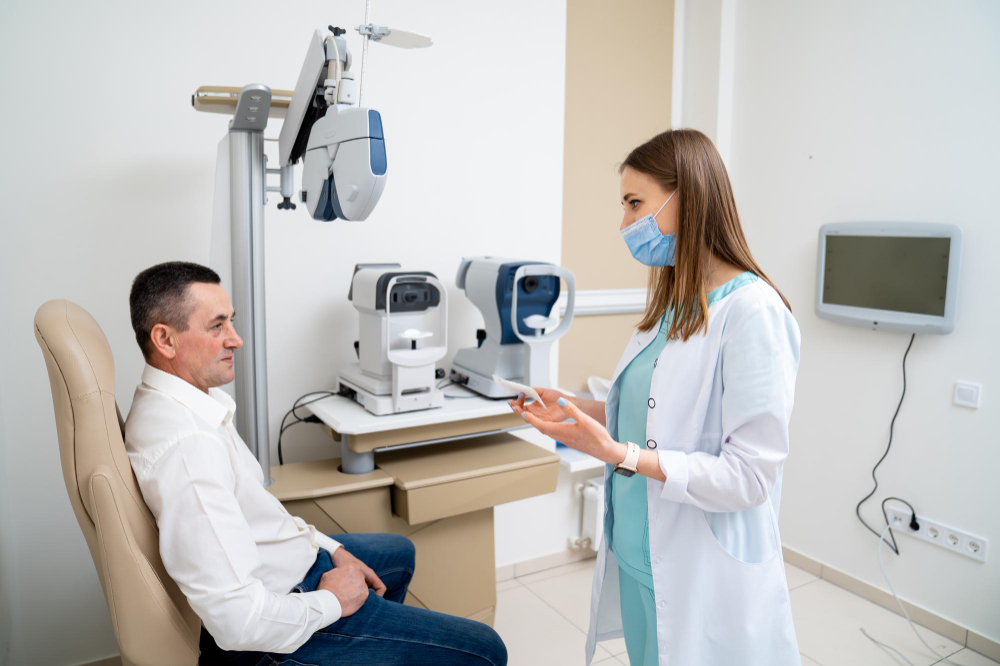
Eye doctors use several tests to diagnose amblyopia. Usually, they start with a simple vision test. During this test, your child reads letters or looks at pictures. If one eye sees much worse than the other, the doctor may suspect amblyopia. Next, the doctor checks how the eyes move and focus. Sometimes, special drops are used to widen the pupils. This helps the doctor see inside the eye. According to the American Academy of Ophthalmology, early diagnosis is key for the best results.
Treatment Options for Amblyopia
There are several amblyopia treatment options. The goal is to make the weaker eye stronger. Treatment works best when started early, but older children can also benefit.
Most children need to wear a patch or use drops for several hours each day. As vision improves, the doctor may adjust the treatment plan. Regular follow-ups are important to track progress.
Prevention and Lifestyle Tips
While not all cases can be prevented, some steps can lower the risk of amblyopia. Early action makes a big difference.
Because early treatment works best, do not delay if you notice any symptoms.
When to See an Eye Specialist
If you notice any signs of amblyopia or lazy eye, see an eye specialist right away. Even if your child does not complain, regular eye checks are important. Early diagnosis and treatment can prevent permanent vision loss. If you have a family history of eye problems, let your doctor know. Sometimes, children need to see a specialist even if they pass a basic vision test.
Frequently Asked Questions about Amblyopia
Conclusion and Next Steps
Amblyopia, or lazy eye, is a common vision problem in children. Because early signs can be hard to spot, regular eye exams are important. With early diagnosis and the right treatment, most children can regain good vision. If you notice any symptoms or have concerns, consult an eye specialist at Dixit Netra Chikitsalaya for personalized advice on amblyopia diagnosis and treatment.