What Are Refractive Errors?
Refractive errors are common vision problems that affect how your eyes focus light. When light does not focus correctly on the retina, you may see blurry images. In fact, refractive errors are the main reason people need glasses or contact lenses. According to the World Health Organization, millions of people worldwide have some form of refractive error.
Common Types of Refractive Errors
There are several types of refractive errors. Each type affects vision in a different way. For example, some people may have trouble seeing far away, while others struggle with close-up tasks. The main types of refractive errors include:
Causes of Refractive Errors
Many factors can cause refractive errors. Usually, these problems happen when the shape of your eye changes. For instance, the eye may be too long or too short. Sometimes, the cornea (the clear front part of the eye) is not perfectly curved. In addition, genetics can play a role. If your parents have refractive errors, you may be more likely to have them too. Age is another factor, especially for presbyopia.
Symptoms to Watch For
It is important to notice the symptoms of refractive errors early. Early detection can help prevent further vision problems. Common symptoms of refractive errors include:
If you notice any of these symptoms, you should see an eye doctor soon.
Diagnosis and Eye Exams
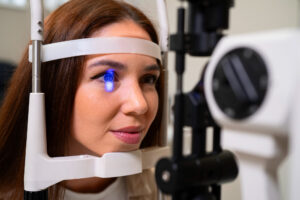
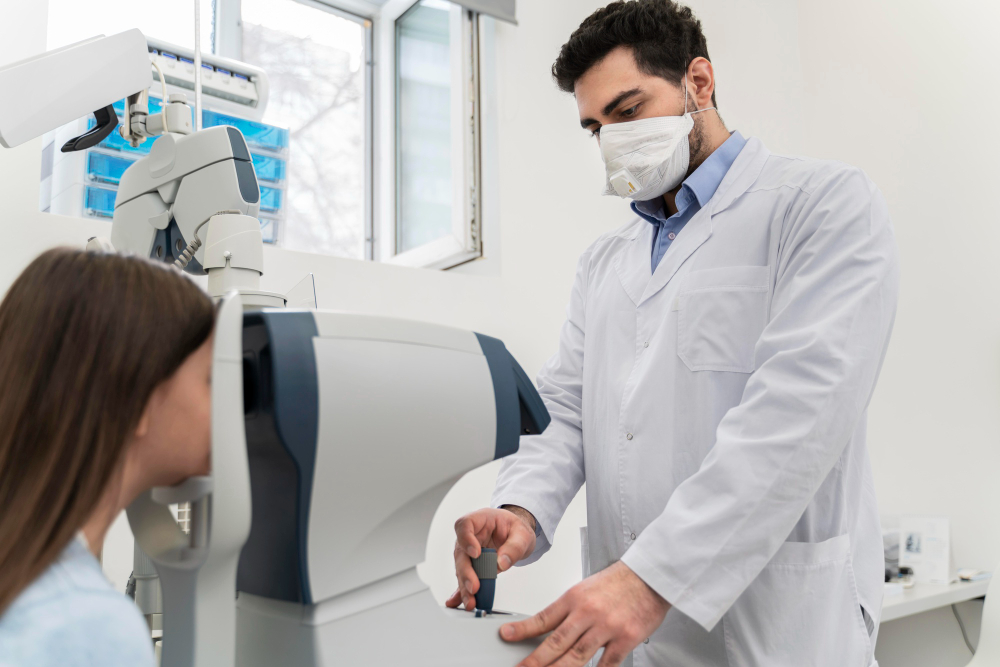
Regular eye exams are the best way to diagnose refractive errors. During an eye exam, the doctor will check your vision using simple tests. For example, you may read letters on a chart. The doctor may also use special tools to measure how your eyes focus light. Sometimes, drops are used to widen your pupils for a better look. Early diagnosis can help you get the right treatment for refractive errors.
Treatment Options
There are several treatment options for refractive errors. The right choice depends on your needs and lifestyle. Common treatments include:
Your eye specialist will help you choose the best treatment for refractive errors based on your age, health, and daily activities.
Prevention and Eye Health Tips
While you cannot always prevent refractive errors, you can take steps to keep your eyes healthy. For example, regular eye exams can catch problems early. Here are some tips on how to prevent refractive errors from getting worse and protect your vision:
In addition, if you live in a city with high pollution, try to limit outdoor activities during peak times. Good eye care in your area can make a big difference in your vision health.
Conclusion
Refractive errors are common, but they are treatable. Early detection and proper care can help you enjoy clear vision. If you notice any changes in your eyesight, consult an eye specialist at Dixit Netra Chikitsalaya for personalized advice.