Introduction
Myopia, also called nearsightedness, is a common vision problem. People with Myopia can see close objects clearly, but distant objects look blurry. In fact, Myopia affects millions of people worldwide, including many children and adults in the US. Because it can impact daily life, understanding Myopia is important for everyone. Early detection and proper care can help manage this condition well.
What is Myopia?
Myopia is a condition where the eye focuses images in front of the retina instead of on it. As a result, distant objects appear blurry, while nearby things stay clear. Myopia is also known as nearsightedness. This means you may have trouble seeing things like road signs or a classroom board from far away. However, reading a book up close is usually easy.
Symptoms of Myopia
Recognizing the signs of Myopia can help you seek help early. Common symptoms include:
Sometimes, children may not notice these symptoms. Therefore, regular eye exams are important for kids.
Causes and Risk Factors
Myopia happens when the eyeball is too long or the cornea is too curved. Because of this, light does not focus correctly on the retina. Several factors can increase the risk of developing Myopia:
According to the World Health Organization, Myopia is becoming more common, especially among children in urban areas.
How is Myopia Diagnosed?
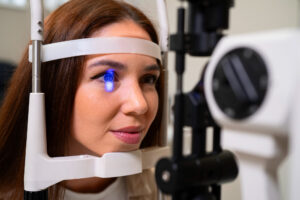
Eye doctors use simple tests to diagnose Myopia. Usually, they perform a standard eye exam. During the exam, you will read letters on a chart from a distance. The doctor may also use special tools to check how your eyes focus light. Sometimes, eye drops are used to help get accurate results. Early diagnosis helps prevent further vision problems.
Treatment Options for Myopia
There are several ways to correct Myopia and improve vision. Treatment options include:
In addition, new research is exploring ways to slow Myopia progression in children. Special contact lenses and eye drops are being studied for this purpose (CDC).
Living with Myopia
Managing Myopia is possible with the right steps. Here are some tips for daily life:
With proper care, most people with Myopia lead normal, active lives.
Prevention and Eye Health
While you cannot always prevent Myopia, you can take steps to protect your eyes. Try these tips:
These habits can help keep your eyes healthy and may slow Myopia progression.
When to See an Eye Specialist
It is important to see an eye specialist if you notice:
Early visits can help catch problems before they get worse. Regular eye exams are key for both children and adults.
Consult an eye specialist at Dixit Netra Chikitsalaya for personalized advice on myopia.