What is Pterygium?
Pterygium is a common eye condition. It appears as a pink, fleshy growth on the white part of the eye. Often, this growth starts near the nose and moves toward the center of the eye. While pterygium is not cancer, it can cause discomfort. In some cases, it may affect vision. Many people living in sunny climates notice pterygium more often. Because it can grow over time, early care is important for eye health.
Common Symptoms of Pterygium
Pterygium symptoms can vary. Some people may not notice any problems at first. However, as the growth gets larger, symptoms may appear. For example, you might notice:
Sometimes, symptoms get worse with wind, dust, or sunlight. If you notice any of these signs, it is wise to see an eye doctor.
Causes and Risk Factors
Pterygium often develops in people who spend a lot of time outdoors. Sunlight, especially ultraviolet (UV) rays, is a major cause. In addition, wind and dust can irritate the eyes and raise the risk. Other risk factors include:
Because these factors are common in some areas, pterygium is seen more often in certain regions. For example, people living near the equator or in places with strong sunlight are at higher risk.
How Pterygium is Diagnosed
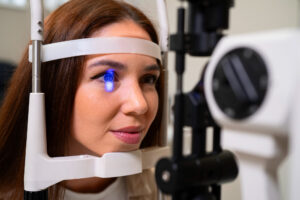
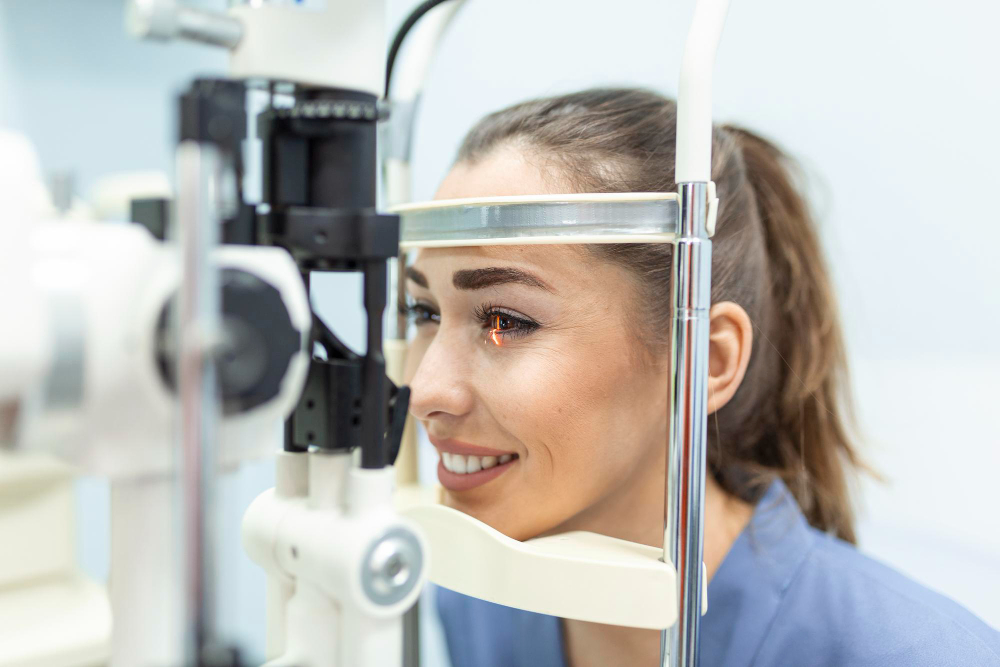
Eye doctors can diagnose pterygium during a simple eye exam. First, the doctor will look at the surface of your eye with a special light. Sometimes, they may use a slit lamp to see the growth more clearly. In rare cases, extra tests like eye photos or scans may be needed. Usually, no blood tests are required. Early diagnosis helps prevent vision problems and guides the best treatment.
Treatment Options for Pterygium
Pterygium treatment options depend on the size and symptoms. For mild cases, doctors may suggest:
If the growth is large or affects vision, surgery may be needed. Surgery removes the pterygium and helps restore clear sight. However, there is a small chance the growth can return. After surgery, doctors often recommend using eye drops and avoiding sunlight for a while. According to the American Academy of Ophthalmology, most people recover well after treatment.
Prevention and Lifestyle Tips
Although pterygium cannot always be prevented, you can lower your risk. Try these tips for better eye health:
By following these steps, you can help protect your eyes and reduce the chance of pterygium returning after treatment.
When to See an Eye Specialist
It is important to see an eye specialist if you notice any changes in your eyes. For instance, if you see a new growth, feel pain, or have blurry vision, seek help. Early care can prevent serious problems. Even if symptoms are mild, regular eye check-ups are a good idea. This way, you can keep your eyes healthy and catch any issues early.
In summary, pterygium is a common eye condition, especially in sunny climates. While it is not dangerous, it can cause discomfort and vision changes. If you have symptoms or concerns, consult Dixit Netra Chikitsalaya for personalized advice about pterygium.