
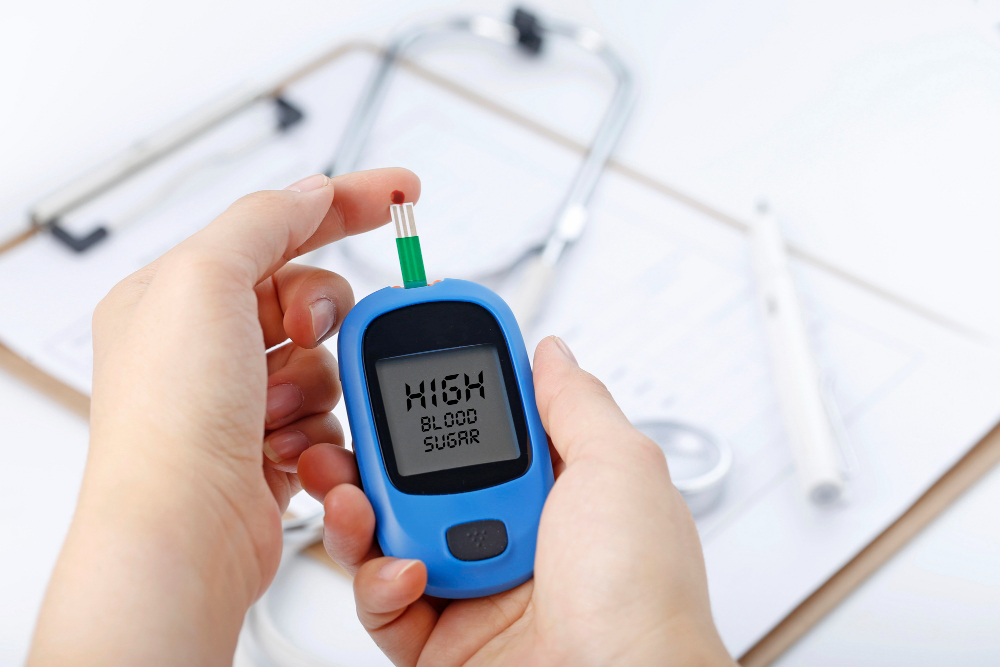
Diabetes can harm many parts of your body, but your eyes are especially at risk. In fact, “How Diabetes Affects Your Eyes” is a common concern for many people. High blood sugar can damage the tiny blood vessels in your eyes. This may lead to diabetic eye disease, vision loss, or even blindness. However, with the right steps, you can lower your risk. This blog will explain diabetes and vision loss, preventing diabetic retinopathy, and share eye care tips for diabetics. Let’s learn how to protect your sight.
How Diabetes Affects Your Eyes
When you have diabetes, your blood sugar levels can go too high. Over time, this extra sugar can hurt the small blood vessels in your eyes. As a result, your eyes may not get enough oxygen and nutrients. This damage can cause swelling, leaking, or even bleeding inside your eyes. Eventually, you may notice changes in your vision. But with early care, you can often prevent serious problems.
Common Eye Conditions Linked to Diabetes
Diabetes can cause several eye problems. Some of the most common include:
According to the CDC, diabetic retinopathy is a leading cause of vision loss in adults (CDC, 2023).
Symptoms to Watch For
Often, diabetic eye disease starts without any warning signs. Still, you should watch for these symptoms:
If you notice any of these, see an eye doctor right away. Early treatment can help save your sight.
Diagnosis and Regular Eye Exams
Because diabetic eye disease can start quietly, regular eye exams are very important. During an exam, your eye doctor will:
Most experts, including the American Diabetes Association, suggest a full eye exam every year for people with diabetes. If you live in a city with many eye clinics, like New York or Chicago, you may find it easy to schedule these exams. Early diagnosis can help prevent vision loss.
Treatment Options for Diabetic Eye Disease
There are several ways to treat diabetic eye disease. The best treatment depends on your condition. Some common options include:
Your doctor will explain which treatment is right for you. With early care, many people keep their vision.
Prevention Tips and Lifestyle Guidance
While diabetes can affect your eyes, you can take steps to protect them. Here are some helpful tips:
Following these steps can lower your risk of diabetic retinopathy and other eye problems.
When to See an Eye Specialist
If you have diabetes, you should see an eye specialist at least once a year. However, you should make an appointment sooner if you notice:
Early care can help prevent serious vision loss. Do not wait for symptoms to get worse.
Diabetes can impact your eyes in several ways, but with the right care, you can protect your vision. Regular screenings and early intervention are key to preventing complications.
Consult Dr. Sudhir Dixit, an eye specialist, for personalized advice on managing your eye health and ensuring long-term vision protection.