
What Are Corneal Ulcers?
Corneal ulcers are open sores on the clear front part of your eye, called the cornea. This part helps you see clearly. When it gets damaged, an ulcer can form. Often, these ulcers are caused by infections. However, injuries or dry eyes can also lead to them. Corneal ulcers are serious and need quick care. If left untreated, they can cause vision loss. According to the World Health Organization, eye infections like corneal ulcers are a leading cause of blindness worldwide.
Symptoms of Corneal Ulcers
Early signs of corneal ulcers can be mild. But symptoms often get worse quickly. For this reason, it is important to watch for changes in your eyes. Common corneal ulcer symptoms include:
If you notice any of these signs, you should seek help right away. Quick action can prevent lasting damage.
Causes and Risk Factors
Corneal ulcers often start with an eye infection. However, other problems can also cause them. Here are some common causes and risk factors:
For example, people who wear contact lenses overnight have a higher risk. In addition, those with eye injuries or weak immune systems are more likely to get ulcers. The Centers for Disease Control and Prevention (CDC) warns that poor contact lens hygiene is a major cause of eye infection ulcers.
Diagnosis of Corneal Ulcers
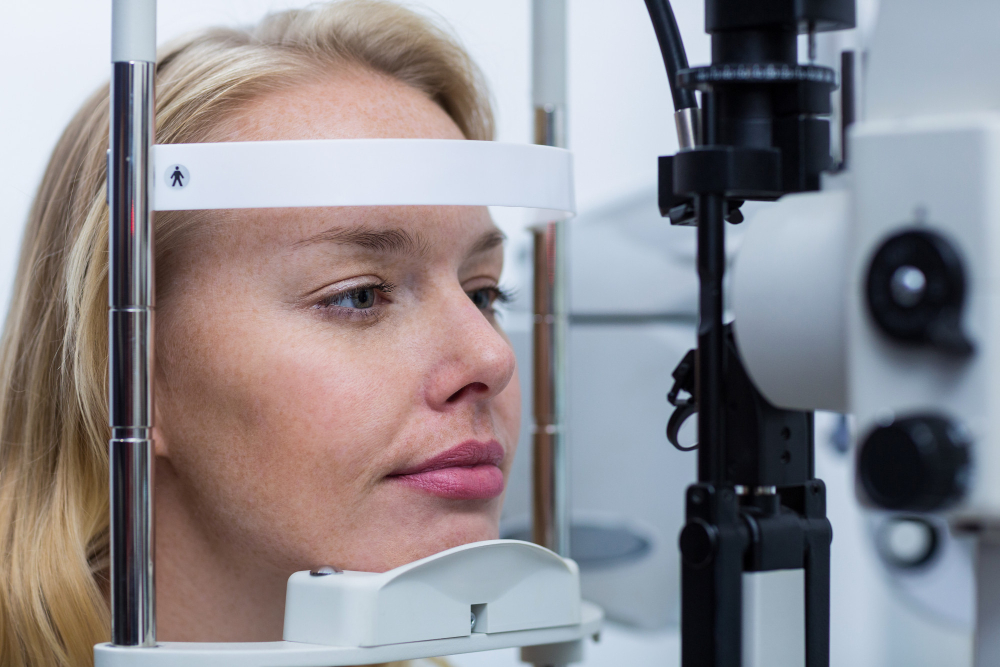
Doctors use several steps to diagnose corneal ulcers. First, they will ask about your symptoms and eye history. Next, they will examine your eyes with a special microscope called a slit lamp. Sometimes, they use a dye to highlight the ulcer. In some cases, your doctor may take a small sample from the ulcer. This helps find out which germ is causing the problem. Early diagnosis is important. It helps prevent serious damage and guides the right treatment.
Treatment Options
Treatment for corneal ulcers depends on the cause. However, most cases need quick medical care. Common treatments include:
For best results, follow your doctor’s instructions closely. Do not try to treat eye infection ulcers at home. Delaying treatment can lead to vision loss.
Prevention Tips
Preventing corneal ulcers is possible with good eye care. Here are some helpful tips:
By following these steps, you can lower your risk of developing corneal ulcers. In addition, regular eye check-ups help catch problems early.
When to See an Eye Specialist
It is important to see an eye specialist if you notice any symptoms of corneal ulcers. For instance, if you have eye pain, redness, or vision changes, do not wait. Quick care can save your sight. Even mild symptoms can become serious if ignored. If you wear contact lenses and notice discomfort, remove them and seek help. Remember, early treatment is the best way to prevent lasting damage.
If you have any signs of corneal ulcers, consult Dixit Netra Chikitsalaya right away. Your eye health matters, so do not delay seeking expert advice.