What is Retinopathy of Prematurity?
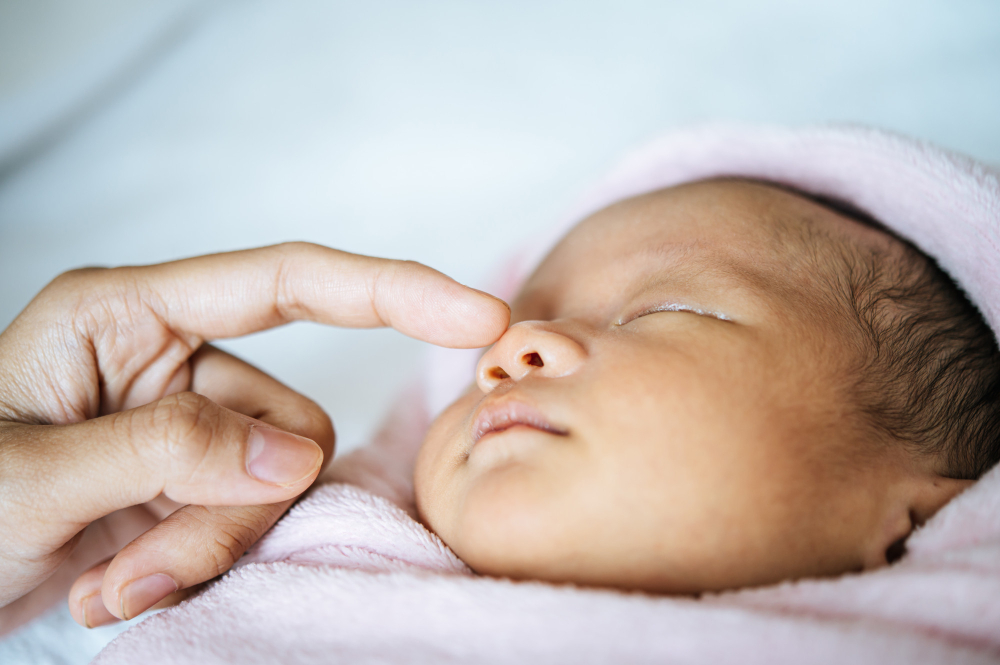
Retinopathy of prematurity (ROP) is an eye disease that affects premature infants. It happens when the blood vessels in a baby’s retina, which is the light-sensitive layer at the back of the eye, do not develop normally. Because of this, ROP can lead to vision problems or even blindness if not treated early. In fact, retinopathy of prematurity is a leading cause of childhood blindness worldwide. According to the World Health Organization (WHO), ROP is more common in countries with high rates of premature births.
Causes and Risk Factors
ROP mainly affects babies born too early or with very low birth weight. However, not all premature infants develop this condition. Several factors increase the risk:
Additionally, babies born in areas with limited access to advanced newborn care may face higher risks. Early and regular ROP screening is important for all at-risk infants.
Common Symptoms and Signs
At first, retinopathy of prematurity does not cause obvious symptoms. Because of this, parents may not notice any changes in their baby’s eyes. However, as the disease progresses, some signs may appear:
Even so, these signs often develop late. Therefore, regular eye exams are the best way to detect ROP early.
Diagnosis and Screening Methods
Doctors use special eye exams to check for ROP in premature infants. Usually, a pediatric ophthalmologist examines the baby’s eyes using a tool called an indirect ophthalmoscope. This exam is safe and does not hurt the baby. In many hospitals, ROP screening starts a few weeks after birth for babies at risk. The doctor looks for abnormal blood vessels or changes in the retina. Sometimes, photos of the retina help track changes over time. Early diagnosis is key to protecting retinal health in newborns.
Treatment Options
Not all babies with ROP need treatment. In mild cases, the disease may get better on its own. However, if ROP is severe or getting worse, doctors may recommend:
With early treatment, many babies can keep good vision. Still, regular follow-up visits are important to watch for any changes.
Prevention and Parental Guidance
While not all cases of ROP can be prevented, some steps can lower the risk:
Moreover, parents should ask their doctor about ROP screening if their baby was born early or had a low birth weight. Early action can make a big difference.
Prognosis and Long-Term Outlook
Many babies with mild ROP recover without lasting problems. However, some may have vision issues later in life, such as nearsightedness or lazy eye. In severe cases, ROP can cause blindness. Because of this, regular eye check-ups are important as the child grows. With early diagnosis and treatment, most children can enjoy healthy vision. Support from eye care teams and early intervention services can help children reach their full potential.
If you have concerns about retinopathy of prematurity, consult Dixit Netra Chikitsalaya for personalized advice and care.