
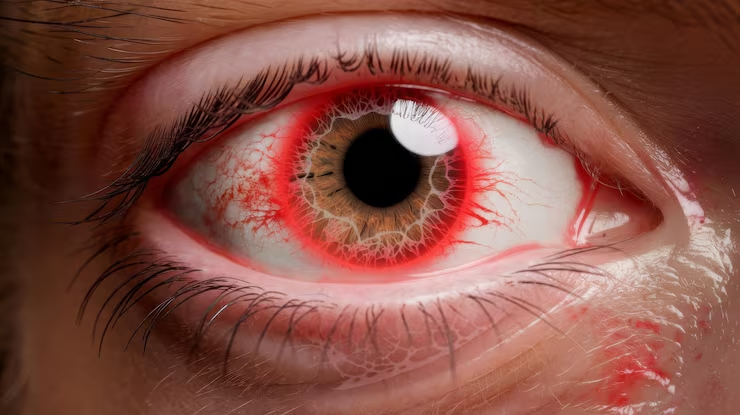
What is Scleritis?
Scleritis is a serious eye condition. It causes swelling and redness in the white part of the eye, called the sclera. Because the sclera protects the eye, any inflammation here can affect vision. Scleritis is not the same as simple red eye. In fact, it can lead to lasting damage if not treated quickly. For this reason, understanding scleritis is important for eye health. According to the American Academy of Ophthalmology, scleritis is rare but needs urgent care.
Symptoms of Scleritis
Scleritis often starts with pain. The pain can be deep and steady. Sometimes, it gets worse at night or with eye movement. Besides pain, other symptoms may include:
However, not everyone has all these symptoms. If you notice any of these signs, it is best to see an eye doctor soon.
Causes and Risk Factors
Many cases of scleritis are linked to immune system problems. For example, conditions like rheumatoid arthritis or lupus can cause the body to attack its own tissues, including the eye. Sometimes, infections can also lead to scleritis. Other risk factors include:
Although anyone can get scleritis, adults between 30 and 60 years old are more likely to develop it. Women are also affected more often than men.
How Scleritis is Diagnosed
Doctors use several steps to diagnose scleritis. First, they ask about your symptoms and medical history. Next, they perform a detailed eye exam. During the exam, your doctor may use special lights and lenses to check the sclera. Sometimes, extra tests are needed. For example, blood tests can help find underlying diseases. In rare cases, imaging tests like ultrasound or MRI may be used to look deeper into the eye. Early diagnosis helps prevent serious problems.
Treatment Options for Scleritis
Treating scleritis depends on the cause. Most cases need prescription medicine. Common treatments include:
In some cases, hospital care may be needed. Because scleritis can be severe, follow your doctor’s advice closely. Never stop medicine without talking to your doctor first.
Lifestyle Tips and Home Care
While medicine is key, some home care steps can help. For example, you can:
However, home care cannot replace medical treatment. Always check with your doctor before trying new remedies.
Prevention and When to See a Doctor
Preventing scleritis can be hard, especially if you have an immune system disease. Still, managing your health can lower your risk. For instance, take your medicines as prescribed and keep regular doctor visits. If you have eye pain, redness, or vision changes, seek help right away. Early treatment can protect your sight. According to the CDC, quick action is the best way to avoid lasting eye damage.
If you notice symptoms of scleritis, consult an eye specialist at Dixit Netra Chikitsalaya for personalized care. Your vision is important, so do not wait to get help.