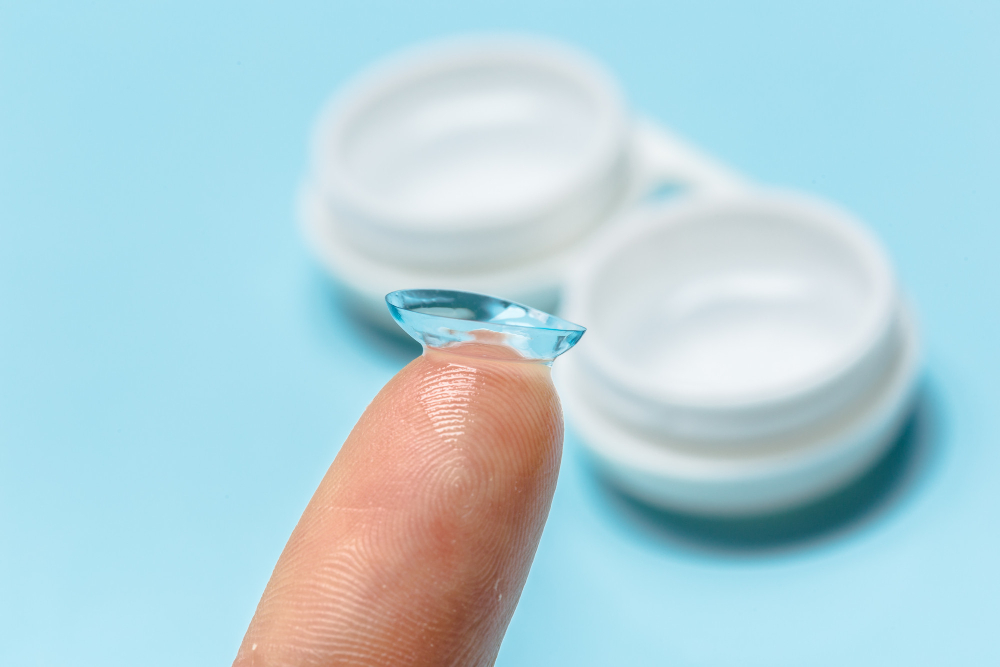
Safe contact lens use is vital for keeping your eyes healthy and your vision clear. Many people wear contact lenses every day, but not everyone follows the best safety practices. In fact, the CDC reports that improper contact lens care can lead to eye infections and even vision loss. By following simple steps for contact lens safety, you can lower your risk of problems. Below, you’ll find five key tips for safe contact lens use, including advice on cleaning, storage, and regular eye exams.
Wash Hands Before Handling Lenses
First, always wash your hands before touching your contact lenses. Clean hands help prevent germs from getting onto your lenses and into your eyes. Even a small amount of dirt or bacteria can cause an infection. According to the CDC, handwashing is one of the most important steps in contact lens safety.
If you skip this step, you risk eye irritation or serious infections like keratitis. So, make handwashing a habit every time you handle your lenses.
Follow Proper Cleaning and Storage Guidelines
Next, it is important to clean and store your contact lenses the right way. Proper cleaning removes germs and keeps your lenses safe to wear. The American Academy of Ophthalmology recommends using only the cleaning solution your eye doctor suggests.
If you do not follow these steps, bacteria and other germs can grow on your lenses. This can lead to painful infections or even vision loss.
Never Sleep in Contact Lenses Unless Approved
Many people wonder if it is safe to sleep in contact lenses. However, most lenses are not made for overnight wear. Sleeping in lenses can lower the amount of oxygen your eyes get. This raises the risk of infection and other problems. The CDC warns that sleeping in lenses increases your risk of eye infections by six to eight times.
Ignoring this advice can cause red, painful eyes and even serious infections.
Replace Lenses and Cases as Recommended
It is easy to forget, but replacing your contact lenses and cases on time is crucial. Over time, lenses and cases can collect germs that cleaning cannot remove. The FDA and eye doctors recommend following the replacement schedule for both lenses and cases.
Otherwise, you may risk eye infections or damage to your eyes.
Schedule Regular Eye Check-Ups
Finally, regular eye check-ups help keep your eyes healthy. Your eye doctor can spot early signs of problems and make sure your lenses fit well. The CDC suggests seeing your eye care specialist at least once a year.
Skipping check-ups can lead to missed problems that may harm your eyes over time.
Conclusion: Protect Your Eyes with Safe Contact Lens Use
In summary, safe contact lens use is key to keeping your eyes healthy and your vision sharp. By washing your hands, cleaning and storing lenses properly, not sleeping in lenses, replacing them on time, and seeing your eye doctor regularly, you can avoid many common problems. For the best advice on contact lens safety, consult an eye care specialist at Dixit Netra Chikitsalaya for personalized guidance.