Introduction
Early vision screening is a simple check-up for your eyes. It helps find hidden eye problems before they get worse. Many people, especially children, may not notice vision issues right away. Because of this, early vision screening is very important. It can prevent vision loss and help keep your eyes healthy for life.
Why Early Vision Screenings Matter
Many eye problems do not show clear signs at first. However, early vision screening can catch these issues before they cause harm. For example, children may not know they have trouble seeing. Adults may ignore small changes in vision. As a result, hidden eye problems can go untreated. Early vision screening helps find these problems early, so treatment can begin right away.
Common Hidden Vision Issues Detected
Vision screenings can find many hidden eye problems. Some of the most common include:
Because these issues may not cause pain or clear symptoms, regular screenings are key.
Signs and Symptoms to Watch For
Sometimes, there are signs that you or your child may have a vision problem. For example, watch for:
If you notice any of these signs, schedule an early vision screening soon.
How Screenings Are Performed
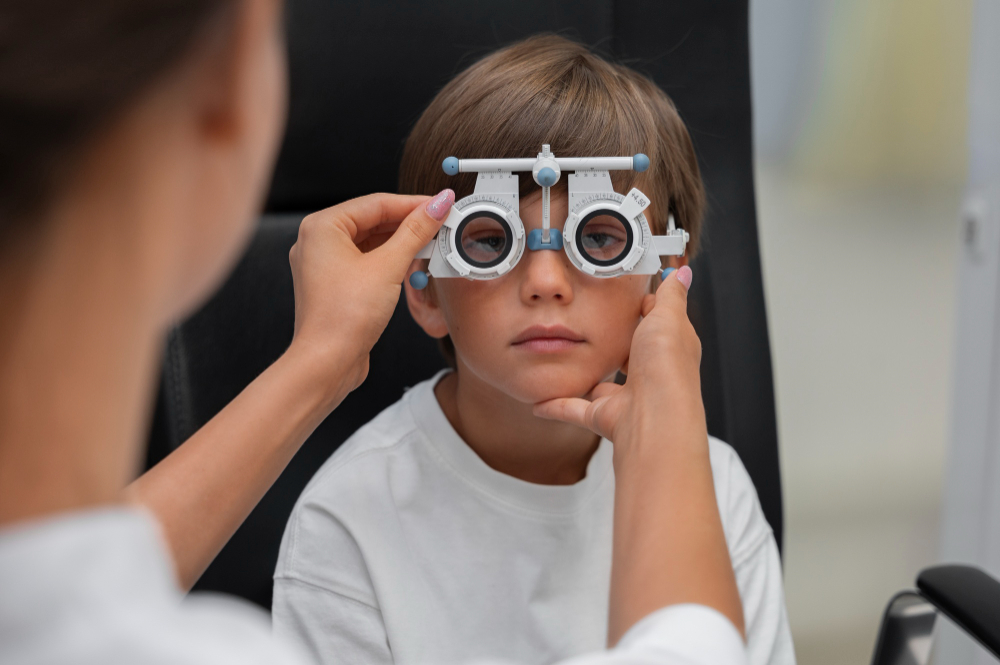
Vision screenings are quick and painless. Usually, an eye care professional will:
Sometimes, special drops are used to help check the inside of the eye. However, most screenings are simple and take only a few minutes.
Recommended Screening Ages and Frequency
Experts like the American Academy of Ophthalmology and the CDC suggest regular vision screenings. Here are some general guidelines:
However, people with diabetes or a family history of eye disease may need more frequent checks.
Benefits of Early Detection
Early vision screening offers many benefits. For instance, it can:
Because early treatment works best, regular screenings are a smart choice for everyone.
Prevention and Lifestyle Tips
Besides regular screenings, you can protect your eyes with healthy habits. For example:
Because prevention is easier than treatment, these tips can help keep your eyes healthy.
Conclusion and Next Steps
In summary, early vision screening is a simple way to detect hidden eye problems. It helps prevent vision loss and supports lifelong eye health. If you or your child have not had a recent screening, now is a good time to act. Schedule a vision screening with Dr.Sudhir Dixit at Dixit netra chikitsalaya to protect your eye health.