
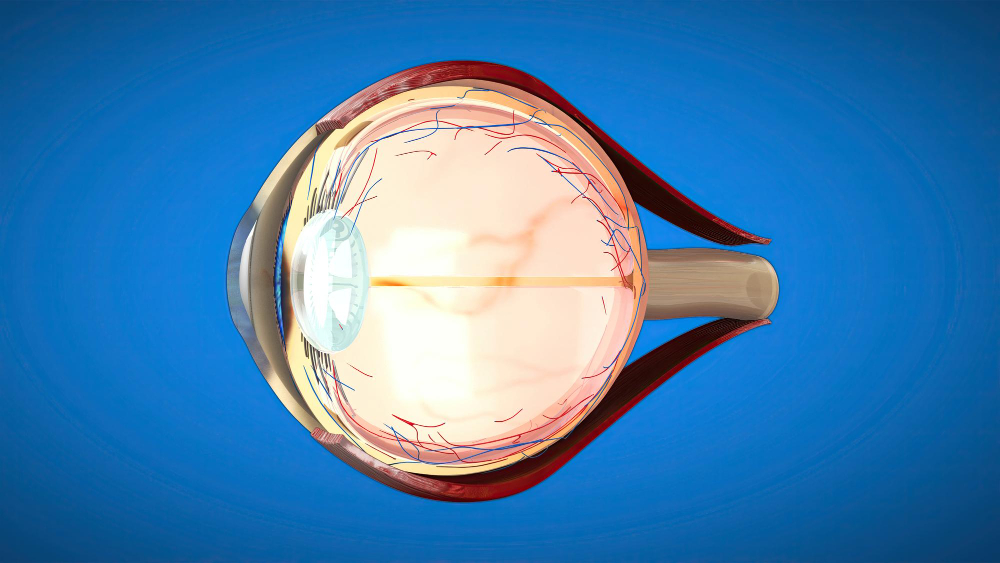
What is Retinal Detachment?
Retinal detachment is a serious eye emergency. In this condition, the retina pulls away from the back of the eye. The retina is a thin layer that helps you see. When it detaches, it cannot work properly. As a result, you may lose vision quickly. Because this is an emergency, you should never wait to get help. Early treatment can save your sight.
Symptoms of Retinal Detachment
It is important to know the signs of retinal detachment. Early symptoms can be mild, but they often get worse fast. For example, you may notice:
Because these symptoms can appear suddenly, you should seek urgent eye care right away. Quick action may prevent permanent vision loss.
Causes and Risk Factors
Retinal detachment can happen for several reasons. Most often, it occurs when the gel inside the eye shrinks and pulls on the retina. However, other causes include injury or certain eye diseases. Common risk factors are:
Even if you have no risk factors, you can still develop this condition. Therefore, regular eye exams are important for everyone.
How Retinal Detachment is Diagnosed
If you have symptoms, an eye doctor will check your eyes right away. First, they will ask about your symptoms and medical history. Next, they will use special tools to look at the retina. For example, they may use:
Because retinal detachment is an emergency, quick diagnosis is key. The sooner you get checked, the better your chances of saving your vision.
Treatment Options for Retinal Detachment
Treatment for retinal detachment often requires surgery. The type of surgery depends on the cause and location of the detachment. Common treatments include:
After treatment, you may need to rest and avoid certain activities. Your eye doctor will guide you through recovery. For the best results, follow all instructions closely.
Prevention and Eye Health Tips
While not all cases can be prevented, you can lower your risk with good eye care. For example:
Because early action can save your sight, always pay attention to your eyes.
When to Seek Emergency Care
If you notice any signs of retinal detachment, do not wait. For instance, sudden flashes, floaters, or a shadow in your vision are warning signs. Seek urgent eye care or visit an eye specialist immediately. Quick treatment can make a big difference in saving your vision.
If you notice any signs of retinal detachment, consult an eye specialist at Dixit Netra Chikitsalaya immediately for personalized care.