Sudden vision loss can be scary. One cause is retinal vein occlusion, a blockage in a blood vessel of the eye. This eye problem can affect anyone, but some people are at higher risk. Because it happens quickly, it is important to know the signs and what to do. In this blog, you will learn about retinal vein occlusion, its symptoms, causes, diagnosis, and treatment. You will also find tips to help protect your retinal health.
What Is Retinal Vein Occlusion?
Retinal vein occlusion is a blockage in one of the veins that carry blood away from the retina. The retina is the thin layer at the back of your eye that helps you see. When a vein gets blocked, blood and fluid can build up. As a result, this can damage the retina and cause sudden vision problems. There are two main types of retinal vein occlusion:
Both types can lead to sudden vision loss or blurry vision. According to the American Academy of Ophthalmology, this condition is a leading cause of vision loss in older adults.
Common Symptoms of Retinal Vein Occlusion
Retinal vein occlusion often causes sudden changes in vision. Sometimes, symptoms appear in only one eye. However, it is important to notice any changes right away. Common symptoms include:
Because these symptoms can happen quickly, you should see an eye doctor as soon as possible. Early treatment can help protect your retinal health.
Causes and Risk Factors
Retinal vein occlusion happens when a blood clot blocks a vein in the retina. As a result, blood cannot flow out of the eye as it should. Several factors can raise your risk:
How Retinal Vein Occlusion Is Diagnosed
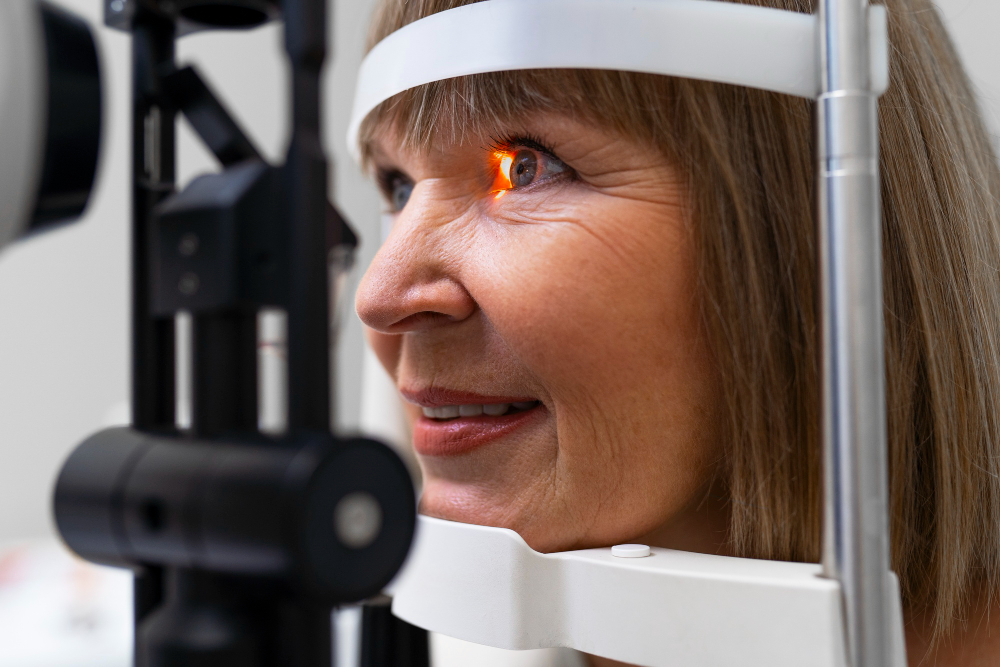
Eye doctors use several tests to diagnose retinal vein occlusion. First, they will ask about your symptoms and medical history. Next, they will examine your eyes. Common tests include:
Sometimes, your doctor may order blood tests to check for health problems that raise your risk. Early diagnosis can help prevent further vision loss.
Treatment Options
Treatment for retinal vein occlusion depends on the type and severity. While some people recover vision on their own, others need medical care. Common treatments include:
According to the World Health Organization (WHO), regular eye check-ups and early treatment can help protect your vision. In some cases, your doctor may suggest other treatments based on your needs.
Lifestyle Tips and Prevention
Although not all cases can be prevented, healthy habits can lower your risk of retinal vein occlusion. Here are some tips to support your retinal health:
Conclusion
If you notice sudden changes in your vision, do not wait. Book an eye check-up with Dr .Sudhir Dixit to get expert care and protect your sight. Your eye health matters every day.