Introduction
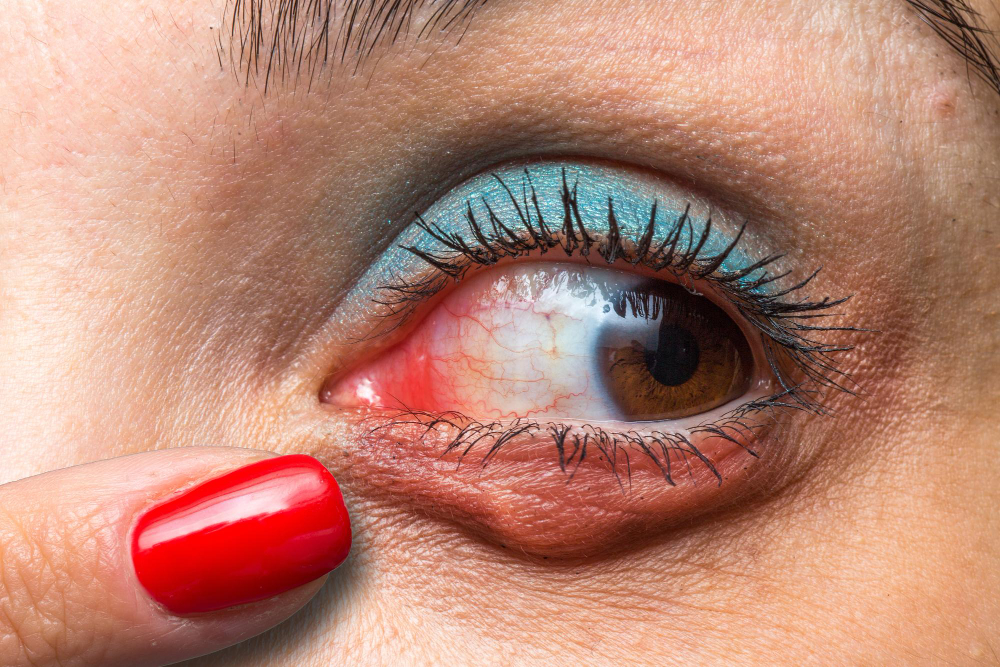
A chalazion is a small, painless lump or swelling on your eyelid. It often looks like a bump and can cause discomfort. Many people confuse a chalazion with a stye, but they are different. While a stye is usually painful and caused by infection, a chalazion is not always painful and forms when an oil gland gets blocked. Because it can affect your vision or comfort, knowing about chalazion is important. Early care can help you avoid problems and speed up healing.
Symptoms
Chalazion symptoms can be mild at first. However, they may become more noticeable over time. Common signs include:
Sometimes, the lump grows slowly. In some cases, it may become larger and cause more discomfort. If you notice these symptoms, it is wise to monitor them closely.
Causes and Risk Factors
Chalazion forms when an oil gland in the eyelid becomes blocked. As a result, oil builds up and causes swelling. Several factors can increase your risk:
Because these factors can make oil glands more likely to get blocked, it is important to take care of your eyelids.
Diagnosis
Doctors usually diagnose chalazion by examining your eyelid. They will look for a lump and check for signs of infection. In most cases, no special tests are needed. However, if the lump looks unusual or does not heal, your doctor may suggest further tests. For example, they may check for other eyelid problems or rare conditions. According to the American Academy of Ophthalmology, most chalazion cases are simple to diagnose with a physical exam.
Treatment Options
Most chalazion lumps heal on their own within a few weeks. However, some may need treatment. Common chalazion treatment options include:
Because most chalazion lumps are not caused by bacteria, antibiotics are rarely needed. Always follow your doctor’s advice for the best results.
Prevention and Home Care Tips
There are simple steps you can take to lower your risk of getting a chalazion. For example:
Because good hygiene can prevent blocked glands, these tips are helpful for everyone.
When to See an Eye Specialist
Most chalazion lumps are harmless and heal at home. However, you should see an eye specialist if:
In summary, early treatment can prevent problems. Therefore, do not wait if you have concerns about your eyelid lump.
Consult an eye specialist at Dixit Netra Chikitsalaya for personalised advice on chalazion.