
What Is Keratoplasty?
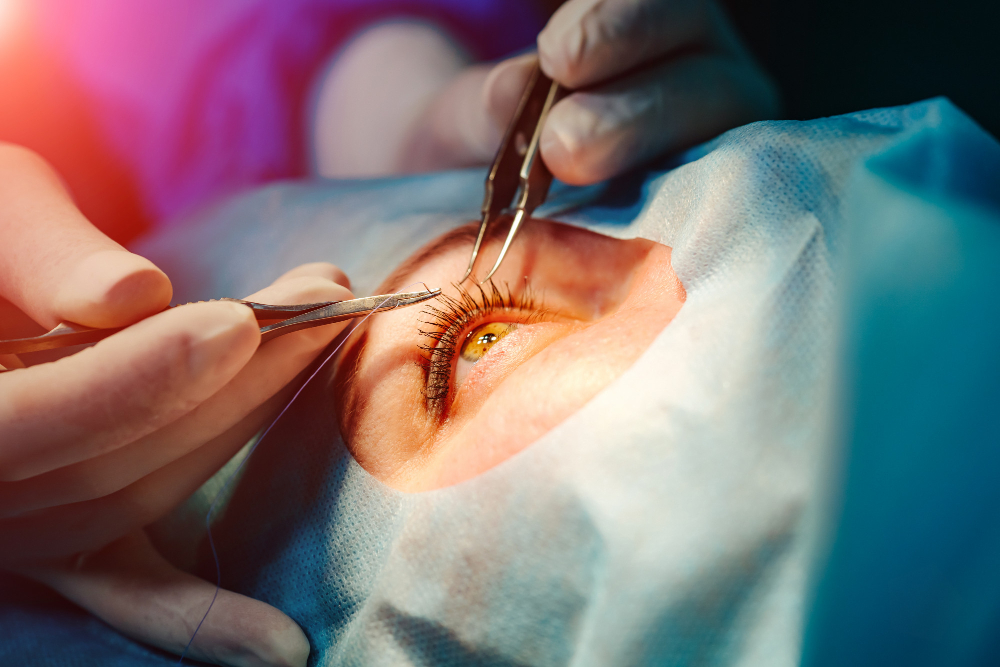
Keratoplasty is a medical term for corneal transplant surgery. The cornea is the clear front part of your eye. It helps focus light so you can see clearly. Sometimes, the cornea becomes cloudy or damaged. When this happens, vision can get blurry or even lost. In these cases, doctors may suggest a keratoplasty procedure. This surgery replaces the damaged cornea with healthy tissue from a donor. As a result, many people regain clearer vision and comfort.
Common Reasons for Corneal Transplant Surgery
There are several reasons why someone might need corneal transplant surgery. Often, the cornea is harmed by disease or injury. For example, some people have conditions that make the cornea swell or scar. Others may have had infections or injuries that left the cornea cloudy. In some cases, a person is born with a problem in the cornea. Here are common causes:
Because these issues can affect vision, a corneal transplant may be the best treatment.
Symptoms Indicating the Need for Keratoplasty
Sometimes, it is hard to know when a corneal transplant is needed. However, certain symptoms can signal a problem. If you notice any of these signs, you should see an eye doctor:
For many people, these symptoms mean the cornea is not working well. Early treatment can help protect your sight.
How Keratoplasty Is Performed
During a keratoplasty procedure, an eye surgeon removes the damaged part of the cornea. Next, the surgeon places healthy donor tissue in its place. Usually, the surgery takes one to two hours. Most people are awake but receive medicine to relax and numb the eye. After the new cornea is in place, the doctor uses tiny stitches to keep it secure. Because the eye is delicate, you may need to wear a shield afterward. Recovery after keratoplasty often starts right away, but vision may improve slowly over weeks or months.
Types of Corneal Transplant Procedures
Not all corneal transplants are the same. In fact, doctors choose the best method based on the problem. Here are the main types:
Each type has its own benefits. For example, partial transplants can heal faster and lower the risk of rejection.
Recovery and Aftercare
After corneal transplant surgery, proper care is very important. Right after surgery, you may need to rest and avoid rubbing your eye. Your doctor will give you eye drops to prevent infection and swelling. In addition, you will need regular check-ups to make sure the new cornea is healing well. Here are some tips for recovery after keratoplasty:
Because healing takes time, vision may improve slowly. Most people return to normal activities within a few weeks, but full recovery can take several months.
Risks and Possible Complications
Like any surgery, keratoplasty has some risks. However, most people do well with proper care. Possible complications include:
If you notice any sudden changes in your vision or pain, you should contact your doctor right away. Early treatment can help prevent serious problems.
Prevention and Eye Health Tips
While not all corneal problems can be prevented, you can protect your eyes with good habits. For instance, always wear eye protection during sports or risky work. Wash your hands before touching your eyes or contact lenses. In addition, regular eye exams can catch problems early. Here are more tips for healthy eyes:
Because early care can prevent many eye problems, it is important to consult Dr .Sudhir Dixit if you have any concerns.