
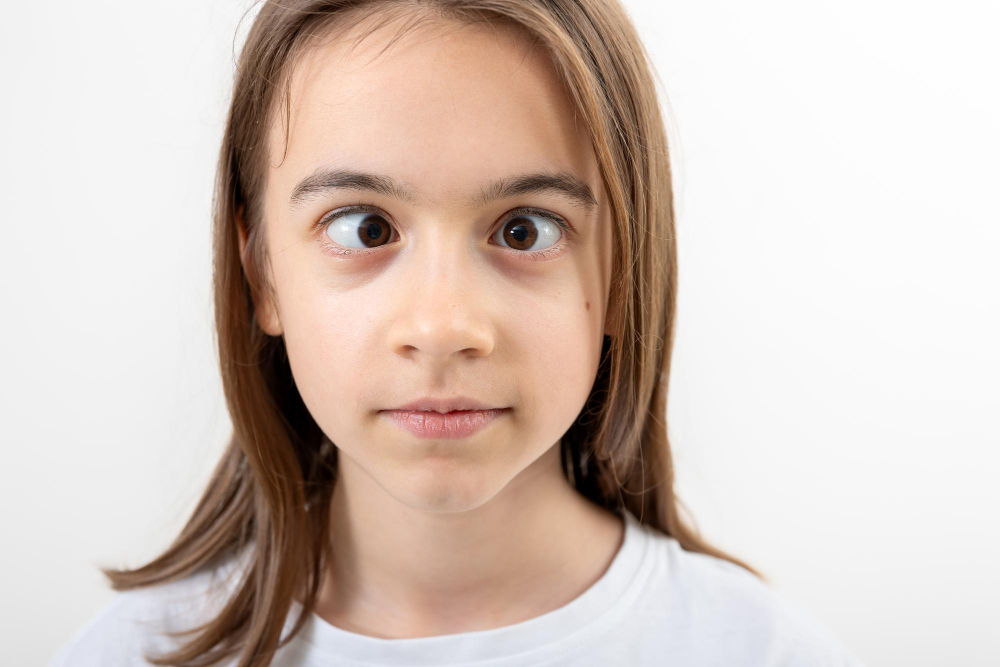
What Is Squint (Strabismus) in Children?
Squint in children, also called strabismus, happens when the eyes do not look in the same direction. Usually, one eye may turn in, out, up, or down while the other looks straight ahead. Because of this, the eyes cannot work together. As a result, children may have trouble seeing clearly. Strabismus is a common childhood eye alignment problem. According to the American Association for Pediatric Ophthalmology and Strabismus, about 2 to 4 percent of children are affected. Early care is important for healthy vision.
Common Symptoms and Signs
Many parents notice signs of squint in children early. However, some signs can be easy to miss. For this reason, knowing what to look for helps.
Sometimes, children may not notice any problems. Still, regular eye checks can catch early signs.
Causes and Risk Factors
Many things can cause strabismus in children. Sometimes, the exact reason is not clear. Yet, some risk factors make it more likely.
Because risk factors vary, every child should have regular eye exams.
Myths About Children Outgrowing Squint
Many people believe that children will outgrow a squint. However, this is a myth. In fact, most children do not outgrow strabismus without treatment. According to the American Academy of Ophthalmology, untreated squint can lead to permanent vision loss. For this reason, early care is key. Waiting can make treatment harder later on.
Importance of Early Diagnosis
Early diagnosis of squint in children can protect their vision. When caught early, treatment works better. Moreover, it helps prevent lazy eye, also called amblyopia. The World Health Organization says that early eye checks help children reach their full vision potential. Therefore, parents should not wait if they notice signs of strabismus.
Diagnostic Methods
Eye doctors use several ways to check for squint in children. First, they ask about the child’s health and family history. Next, they do a full eye exam. Some common tests include:
In some cases, doctors may use special drops to help with the exam. These tests are safe and do not hurt.
Treatment Options
There are many ways to treat strabismus in children. The right treatment depends on the cause and how severe the squint is. Some common options are:
Because every child is different, doctors create a plan that fits each child’s needs. Early treatment leads to better results.
Potential Complications if Untreated
Without treatment, squint in children can cause serious problems. For example, the brain may start to ignore the image from the weaker eye. This can lead to lazy eye, which may cause permanent vision loss. In addition, untreated strabismus can affect depth perception. Children may also struggle with reading, sports, or daily tasks. Sometimes, it can even affect self-esteem and social skills. Therefore, timely care is very important.
Tips for Parents and Caregivers
Parents and caregivers play a big role in eye health. Here are some helpful tips:
With support, children can feel more comfortable during treatment.
Prevention and Eye Health Guidance
While not all cases of squint in children can be prevented, some steps help protect eye health. For instance, regular eye exams can catch problems early. In addition, making sure children wear glasses if needed helps keep their eyes healthy. Eating a balanced diet with fruits and vegetables supports good vision. Limiting screen time and encouraging outdoor play also help. Finally, always seek advice from Dr. Sudhir Dixit if you notice any changes in your child’s eyes.