
What Is Uveitis?
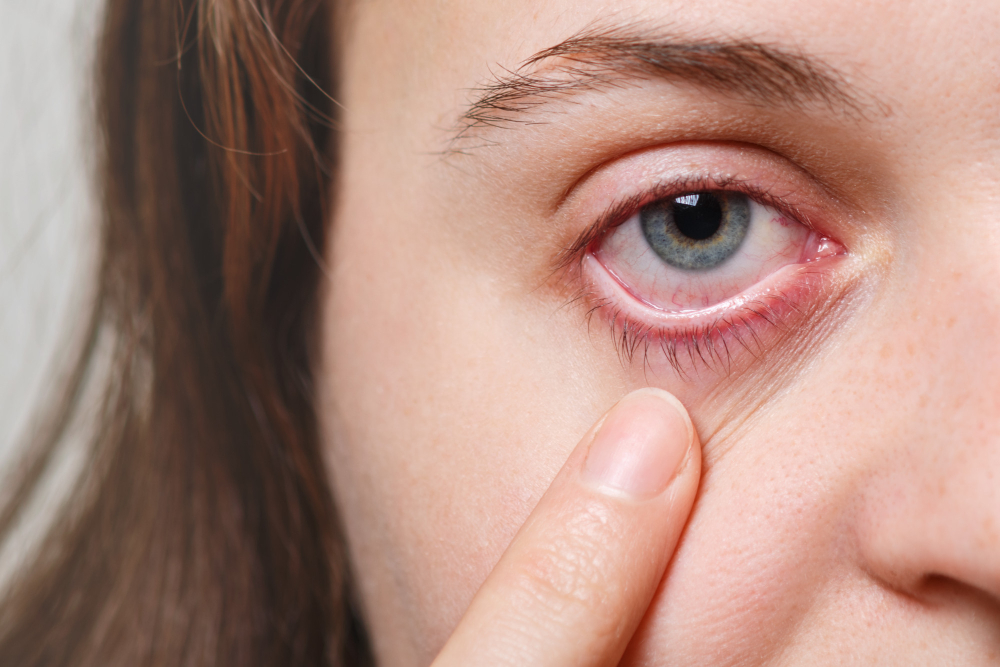
Uveitis is an eye condition that causes swelling and irritation inside the eye. It affects the middle layer of the eye, called the uvea. Because uveitis can harm your vision, early treatment is important. In many cases, people notice changes in their eyesight or discomfort. For this reason, knowing the signs of uveitis helps you act quickly.
Common Symptoms of Uveitis
Uveitis symptoms can appear suddenly or develop slowly. Sometimes, only one eye is affected. However, both eyes can be involved. Watch for these signs:
Because these symptoms can also happen with other eye problems, it is important to see an eye doctor if you notice them.
Causes and Risk Factors
Uveitis can have many causes. Sometimes, doctors cannot find a clear reason. Even so, some common causes include:
Additionally, some people have a higher risk. For example, those with immune system problems or a family history of uveitis may be more likely to get it. Smoking can also increase your risk.
How Is Uveitis Diagnosed?
Doctors use several steps to diagnose uveitis. First, they ask about your symptoms and health history. Next, they perform a full eye exam. This exam may include:
Sometimes, doctors order blood tests or scans. These tests help find the cause of the inflammation. Because early diagnosis helps prevent vision loss, do not delay seeing a specialist if you have symptoms.
Treatment Options for Uveitis
Treating uveitis depends on the cause and how severe it is. However, the main goal is to reduce swelling and protect your vision. Common uveitis treatment options include:
Because each person is different, your doctor will choose the best treatment for you. Always follow your doctor’s instructions closely.
Prevention Tips and Lifestyle Guidance
While not all cases of uveitis can be prevented, you can lower your risk. For example, you can:
Additionally, eating a healthy diet and staying active may help your overall eye health. If you have a history of uveitis, follow your doctor’s advice to prevent flare-ups.
When to See an Eye Specialist
It is important to seek help if you notice any signs of uveitis. For instance, if you have sudden eye pain, redness, or vision changes, contact an eye specialist right away. Early treatment can protect your eyesight and prevent serious problems.
Summary
In summary, uveitis is a serious eye condition that needs quick attention. Knowing the symptoms, causes, and treatment options can help you act fast. If you think you may have uveitis, do not wait. Consult Dixit Netra Chikitsalaya for personalized advice on uveitis and to keep your eyes healthy.